I. The Trial
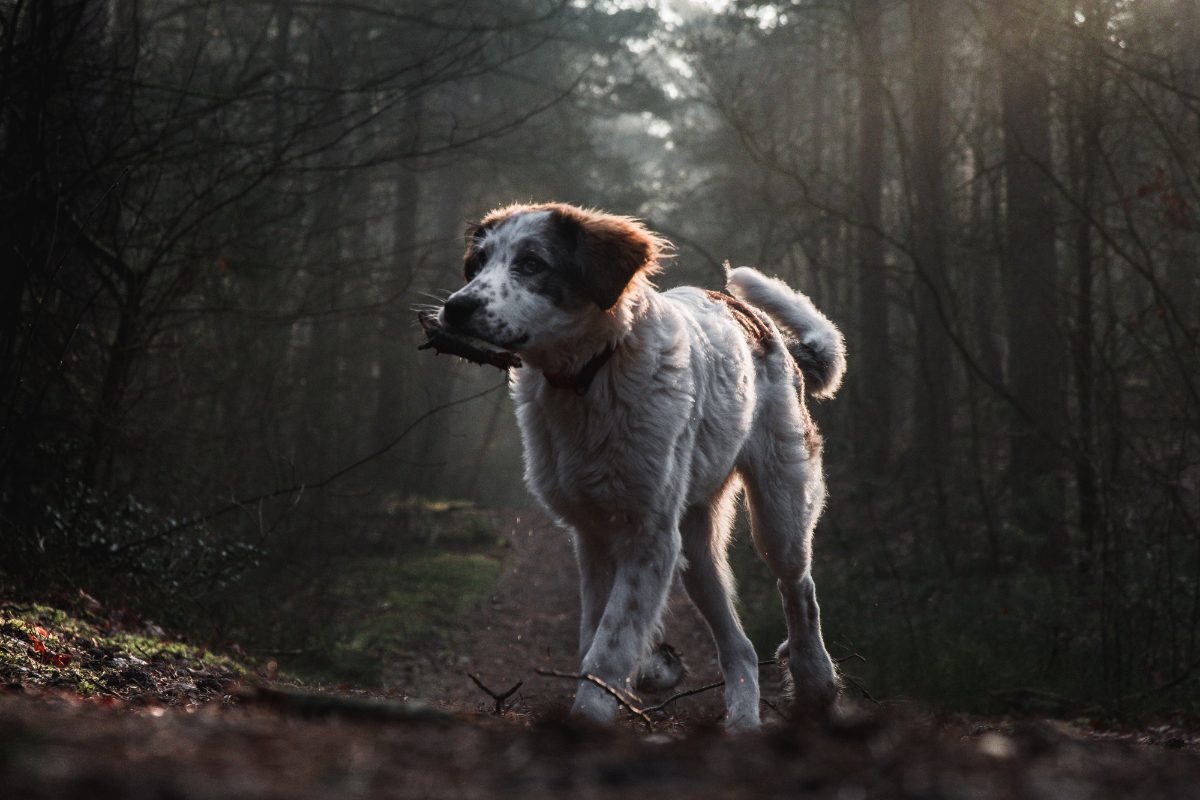
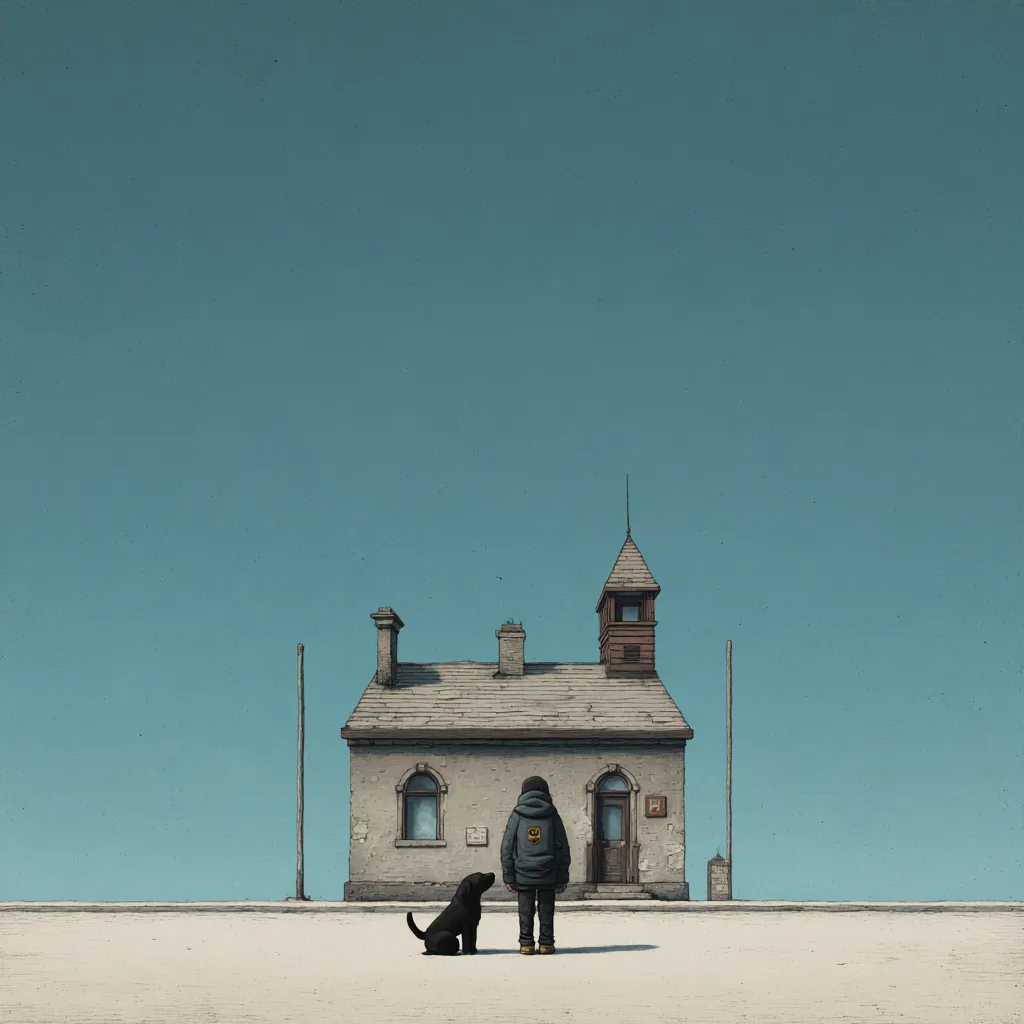
It sounds like the start of a poor joke, but recently my dog Mahru and I walked into a police station. I do not consider the police my friends and it turns out as someone with autism I have a good reason for it, because people with autism are five to seven times more likely to have negative interactions with the police. Our behavior is often perceived as suspicious, and stress-related non-compliance can escalate situations that should never have become dangerous in the first place. In reality, autistic people have lower rates of crime, yet we are disproportionately policed.
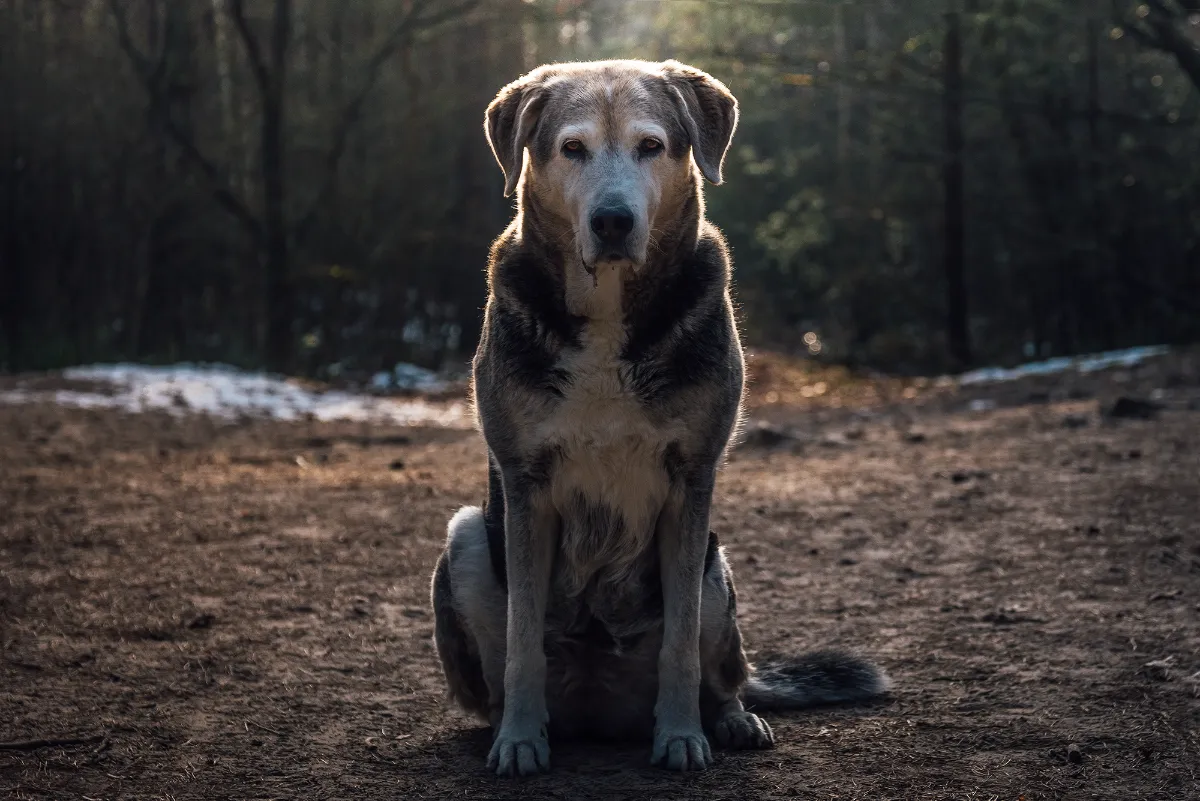
It is safe to say I was not feeling comfortable being at a police station, Mahru, however, gave me something to hold onto. My dogs always do. They ground me when the world becomes overwhelming. They are the reason I keep fighting for her brother and sister who we’ve lost.
I filed a report concerning three separate issues, but my goal is simple. I want to see my dogs again. I want to see the dogs together again. And despite everything, I still want to leave open the possibility for my ex to see Mahru again. I know very little, but I know Mahru misses her human. This has nothing to do with punishment or revenge. It is about survival and bridging the double empathy problem, which is the term used when neurodiverse (autistic) people and neurotypical people do not understand each other.
II. The Jungle Book
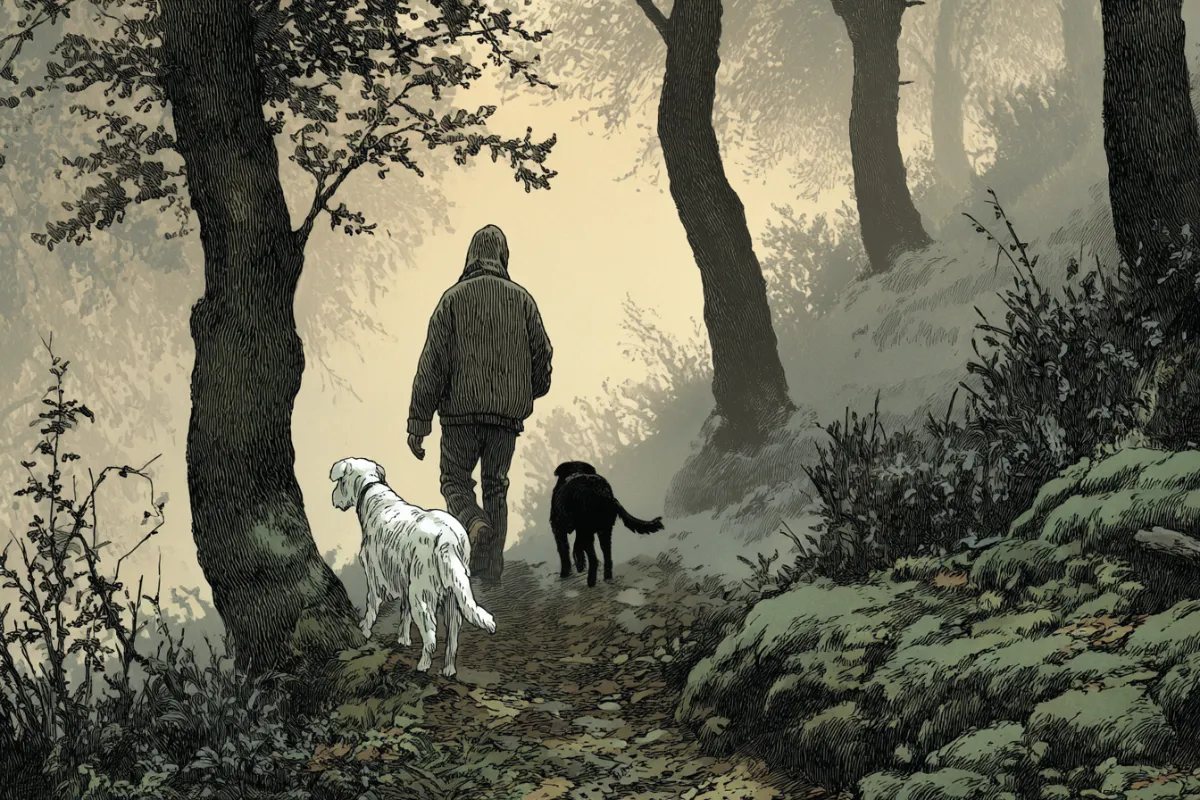
A little backstory. I have never felt safe in this world. Not as a child, not with my parents, not with teachers, friends, and especially not with authority figures. To deal with an unsafe world, I learned to escape in two directions: inward, into my imagination, and outward, into nature. Animals were always part of my world. With them, I could sing and dance and just be me, I love them, and they love me.
With humans, well… not so much. I have always had a deep aversion to physical touch. I would rather have cigarettes put out on my skin than be touched unexpectedly. This is not a choice for me, and it is certainly not a rejection of closeness. I crave safety and connection as much as anyone else, probably even more, but my nervous system does not interpret touch the way most people do.
When someone touches me casually, a hand on my shoulder for example, I just froze or sometimes even spasm. As a child, this often turned into anger. Inside, I felt like a loser, while on the outside people assumed I was unfriendly or difficult. That misunderstanding had consequences I still feel today. Most autistic people do.
My sensory sensitivity is not just about touch. I can only wear certain fabrics, and even then my clothes often feel paintful, as if they are choking me. Sounds can be devastating: machinery, buzzing lights, chaotic social environments, and so on. For me, these are not minor irritations. They can derail my well-being for days or even longer. I have been ridiculed for this, dismissed as a drama queen or antisocial, when in reality I was trying to survive in a world that constantly overwhelmed me.
In nature, no sound has ever harmed me, and neither has the touch of an animal. Even when my cat, Sir Harry von Cattington, uses my legs as scratching posts, it feels safer than human touch ever has. Animals do not overload my senses, animals calm me and I have the ability to calm them. For that reason alone, my animals, especially my dogs, are not just pets. They are my safe space. They are everything to me.
III. Brave New World
My sense of self, my soul, was not formed by institutions or formal education, but by books and long periods of wandering in nature. I consider my years at university more as a recommended reading list than anything else. Fiction is where my values came from, and where my understanding of the world took shape. I understood early that meaning matters far more than comfort, and that a life without integrity is a kind of death.
I think the education system kills every form of creativity and just trains people to become better at capitalism, to become slaves to the elites. It does not matter if you have a LinkedIn page or shackles, you work for them.
For a long time, I believed I would dedicate my life to making the world better, to fighting for human and animal rights. Those ideas were not abstract to me.
Years after graduating from university, however, I found myself far from that vision. I was writing about trivial subjects, like what harness is the best choice for dogs, selling products, and indirectly supporting companies whose values I despised. The same companies that fuel genocides, racism and fascism all around the world.
I had become functional but hollow. I was participating in a system I fundamentally disagreed with. That realization filled me with an enormous amount of shame. I had failed myself.
When everything later began to collapse, I searched for relief rather than understanding. I just wanted the pain to stop, not to be understood. I sought help in therapy and self-help, it was all nonsense. I still do not understand why I did not go back to the books that once shaped my soul. You can not fix existential problems with cheap therapy.
IV. The Sorrows of Young Werther
Very rarely does someone enter my life whom I can allow to touch me. When that happens, the bond feels profound and destabilizing at the same time. I later learned that this pattern is called limerence, something that can be intensified in people with ADHD. At the time, I only knew that I had opened myself, my soul, completely to another human being for the first time in my life.
We lived together for over twenty years and had four dogs. One of them, Jura, died in 2022. Her death shattered something in me that has never fully healed. Her death wounded my soul, it has been bleeding ever since.
I was to incompetent to ask why the pain was so overwhelming. I only wanted it to stop. I wanted to function again, to return to who I had been before. Instead, I turned my anger inward. I hated myself, my capacity to endure, I could not grieve like a normal human being.
The moment that haunts me most is Jura’s final day. She was afraid of the veterinarians who came to her house. I told her it would be okay, it was not okay. I watched as they injected poison into her veins to end her life. I know intellectually that euthanasia was an act of mercy, but emotionally, it was a betrayal of the worst kind. It was abject. It was disgusting. I will never forgive myself for it. I was supposed to protect her, and I failed. I think my ex still hates me to this day for it.
From that point on, the sense of having betrayed everything I stood for began to grow. I hated myself for my grief, for my paralysis, for my inability to simply continue as before. What was I playing at?
I still do not understand why I did not listen to Jura’s last message. She told me to stop with the nonsense. A star had died for our creation and I was selling dog whistles. Jura wanted me to live dangerously like her. To protect my pack with her ferocious intensity, to stand against injustice. Instead, I just stopped completely, my mind folded like a wet paper bag, feeling like a loser who could not protect his dogs.
V. A Grief Observed
After Jura’s death, the difference between how I felt inside and how I was expected to function became impossible to ignore. My ex appeared composed and capable, as if she knew how to continue living while I remained stuck in grief. She had all her ducks in a row. I did not have a single duck nor a row. I felt ashamed of my own grief and of my inability to move forward.
I began searching for ways to fix myself. I wanted to stop being a burden, to stop failing at something that seemed effortless for others. Much of the help focused on stabilization and coping, but it did not touch what I was experiencing at all. I did not need someone to say that things would be fine, because it was not fine, it was f*cking horrific.
Why did I not reread the words of John in Brave New World? “But I don't want comfort. I want God, I want poetry, I want real danger, I want freedom, I want goodness. I want sin.”
I would immediately have gotten the message. Because man does not strive for happiness, only the Englishman does that, Nietzsche rightly criticized the utilitarianism of his time.
As my grief deepened, I felt her hatred towards me. Did she blame me for Jura’s death? Was she ashamed of my grief?
She made small gestures like sighs, and often when she saw me, she looked away in disgust. She rejected my very existence and that felt devastating.
People with ADHD/Autism develop something called Rejection Sensitivity Dysphoria (RSD). We become overly sensitive to signs of rejection. But I did not have a diagnosis, and I did not know what I experienced was RSD. Because I felt stressed, I blamed myself for Jura’s death. I thought the world was blaming me for everything. At the time each moment of perceived withdrawal felt like confirmation that my grief had made me unlovable.
The more I felt myself slipping, the more I tried to hide it. In reality people with autism grieve quite differently. It is not a thing you can mask.
(note: C.S Lewis’ book A Grief Observed was essential in my understanding of grief. A Grief Observed by C.S. Lewis | Goodreads )
A short explanation of RSD
VI. The Bell Jar
Until then, my imagination, my mind had always been where I went for safety. When the outside became too awful, I could retreat inward and sit with things until they made sense again. After Jura’s death and the collapse that followed, that refuge disappeared. My mind has become the scariest place of all.
I did not know what to do with that. I could no longer sit with my thoughts without being overwhelmed by them. Later, I learned that I had been yelling in my sleep, repeating “no, no, no,” and that I was hyperventilating in my sleep. At the time, I only knew that something inside me was screaming to stop, to change direction, to return to something I had abandoned.
Instead of listening, I tried to silence the screams. I turned substances not to feel pleasure, but to escape the terrible paradox of self-awareness. For the first time in my life, there was silence. It felt unreal. I had never experienced silence in my life.
I wondered if this was how other people lived, without the endless internal struggle, without the sense that the world’s pain was lodged inside their body. Because up till then, the pain of the world was my pain. I can not filter those things.
The silence did not last. It never does with substances. Each time it faded, the noise returned louder and more violent. What I had tried to suppress for decades wanted to be heard. But I was to incompetent to listen.
(note: A book that helped me understand addiction better was The Biology of Desire by Marc Lewis. Addiction is common in people with undiagnosed autism: The Biology of Desire: Why Addiction Is Not a Disease by Marc Lewis | Goodreads )
A short explanation of ADHD and addiction
VII. The Myth of Sisyphus
During that period, I was losing my sense of self. I became convinced that I was unwanted, I was unfixable. Eventually, the pain became so f*cking unbearable. I began experiencing suicidal thoughts, not because I wanted to die, but because I could not see how to continue living. I was exhausted beyond anything I had known before. Everything felt like failure, including my own existence.
Undiagnosed autism can kill a man (or woman). In the end I wrote it all down and I found myself reading about people I admired who had died by suicide, from Vincent van Gogh to Kurt Cobain and Chester Bennington. They weren’t mad or mean, they were exhausted. The weight of experiencing the world too intensely for too long. Their sensitivity was also what made them great. It is the paradox of the unbearable sensation of being.
What I understand now is that those thoughts were a warning. Suicidal thoughts are there to help you. I believe, with Albert Camus, that the question of suicide is the most fundamental question of philosophy. It must come to no surprise that I did find help in philosophy and not in psychology. Suicidal thoughts are essential and important, like pain, they signal that something fundamental was wrong. I could not continue the same way without destroying my soul, but I was too busy seeking pain relief and comfort to listen.
I would say, we live in a society where we actively seek shallow happiness and relief from pain. Karl Marx said that religion was the opium of the masses. Now I would say that opium has become the religion of the masses and I think Huxley was right in saying that the medical science has come so far, there is hardly a healthy person left.
(note: during therapy I was not allowed to think deeply of my own death. In the end I did just that, and wrote it all down. It helped me more than anything. A book that also helped was Leo Tolstoy's A Confession. He also made me understand my feeling of incompetence. Because if the greatest author who has ever lived felt like a complete failure, I should not expect to create anything beautiful, but also not stop creating things. A Confession by Leo Tolstoy | Goodreads )
VIII. Notes from Underground
Living with my suicidal thoughts was not only terrifying for me; it was deeply distressing for my ex as well. Even now, I am fully aware of the strain my behavior placed on her. During that period, I became erratic and unpredictable, not because I lacked care or intention, but because everything that had once kept me stable was coming apart at once. I did not understand anything. I tried to cling to everything and everyone. But things dissolved in front of my eyes. It was not that I could not step into the same river twice, with everything in flux, I could not step into the same river once. Time folded into itself. It was horrendous. I needed to trust somebody, but I could not even trust myself.
At the time, none of us understood what was happening. I was still undiagnosed, and what I now recognize as autistic burnout and unmasking was mistaken for personal failure or psychological weakness. I was not deteriorating because I refused to cope, it was quite the opposite. I was deteriorating because I had been coping for decades and now I had to pay the price.
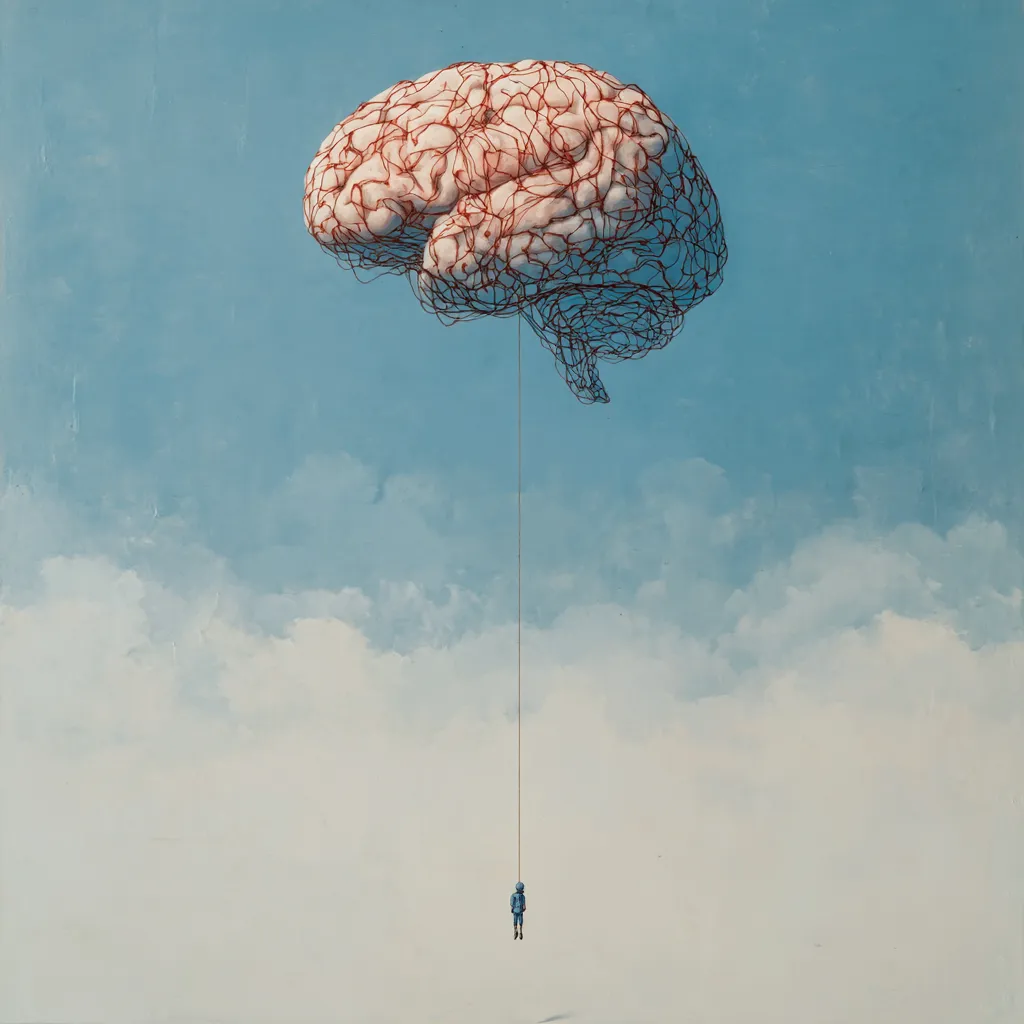
Undiagnosed autism is not that different from a deadly disease. When sensory overload, grief, and loss of structure crumble, and you do not have a clue as to why, the result is catastrophic. Looking back, it is painfully clear that I was not choosing instability, my brain was just overwhelmed beyond my capacity to adapt. It led to all sorts of problems, among them functional neurological disorder. When you do not understand this, it does feel like you can die at any moment. I will write another essay on this topic, because recognizing it, can save lives.
Receiving some clarity later did not undo the damage. What had felt like moral failure was, in fact, a collapse under sustained pressure for decades. That understanding did not erase the pain, but it allowed me to stop turning it inward as self-hatred. People with a late diagnosis of autism dealt with self-hatred for a great deal of their lives.
IX. Siddhartha
Despite everything, I eventually had to file a police report. Not out of anger but because my dogs were taken from me.
Before leaving, my ex had spoken to my therapist and expressed serious concern about my safety. She said that while she and the dogs had previously helped keep me safe, now only the dogs could. I only read her statement recently in my medical file and shared it with the police.
She was right. My dogs were not a little comfort I enjoyed; they were a responsibility that anchored me. They gave my days structure and my mind something external to care for when I could not care for myself.
I would do anything for them. I still would. If necessary, I would sit under a tree for weeks and rebuild myself piece by piece, because they give me a reason to do so. Centuries ago, there was a man called Siddhartha, who lived a comfortable life in a palace. One day, he ventured out and saw old people, sick people, and dead people. His solution was to sit under a tree, fighting demons that were trying to distract him. In this day and age, he would be medicated and locked up for sure. Now, we know him by his artist name: the Buddha.
Taking my dogs away did not make me safer. It removed the one remaining stabilizing force in my life at the moment I needed it most. Fighting for them is not a choice. It is very necessary! I literally had the idea to sit alone in the forest for a while, no tent, no food, just water. I would not have invented a great religion, but I would have fixed my soul. I don't think I've had a meaningful thought inside a building or behind a desk.
X. The Stranger
The other part of the police report involved what had happened between my ex and me romantically. After leaving, she revealed in an e-mail that she had been planning to end the relationship for years, waiting for the “right time.” Had she told me then, I would not have given consent to intimacy. She knows that. Even though I did not have my diagnosis at the time, she did know about my sensory issues. She did know I do not like to be touched physically without trust. At the time, however, I was not in a position to understand the situation fully or make informed decisions about consent.
A special police unit investigated and concluded that I was not in a state to provide valid consent at the time, and that my ex was aware of my vulnerability, because she stated that to my therapist and was part of the medical file I sent. By their assessment, this constituted abuse. The result of her actions is that I will not give my consent to anyone ever again. But it is even worse. My brain still processes this non-consensual intimacy, like physical pain. I can not filter and process these things normally. I wish I could, but I can not rewire my brain easily. No ruling can fix this. Only understanding can.
XI. Thus Spoke Zarathustra
These events, combined with years of unrecognized challenges, have led to a diagnosis of complex PTSD. I tried to reach my ex at first to find understanding or resolution, but I was met only with silence. Reaching out again recently, even with support of a coach, yielded no response. I am being ghosted by literally everybody and I am portrayed as the “bad guy.” Not a single person has spoken to me, except for her sister from whom I received death threats, when all I want is to reclaim what preserves my life: my dogs.
But I want more than that. I want understanding. I want to help others avoid the same pain my ex and I endured. I want people to recognize the dangers of undiagnosed autism and the devastation it causes when support is absent. Being autistic (or in my case Audhd) is not being quirky; people do not have a little bit of autism. Our brain is wired in a fundamentally different way. This makes us perceive the world differently, think in other ways.
Each year, over a thousand autistic people die by suicide or are euthanized in my country, and countless more suffer in silence. This is a reality I can not ignore. And I will not be ignored. We live shorter lives because of a lack of healthcare, we are ostracized and ghosted, and yet, when it comes to fighting for human rights, for animal rights, we are at the frontlines.
So I say to her directly: I understand your suffering. I hope you will try to understand mine. We can prevent people from suffering and dying just by telling both sides of the dangers of undiagnosed autism. We can help people find the right help. Now, people with autism are misdiagnosed constantly, leading to deaths of despair. Looking away is a crime. Mahru misses you. I do not want a fight, but I do want explanations and understanding.
I understand your suffering. I hope you will try to understand mine.
I will not be silenced. I fight for my dogs because they are the last and only source of safety, stability, and meaning in my life. To lose them would be to lose myself. That is why I cannot, and will not, stop.
My solution is still mediation. A special unit from the police is trying to facilitate that because they understand that I do not want to settle this in court. But I also will not keep my mouth shut. I will document the process in the hope I can help people prevent this. I hope this will be a success story, but it is not in my hands.
Please do not look away.
I do not blame you for not understanding, but that does not make it all right.
(note: the chapters are from books that had a profound impact on my understanding of the world.)
Newsletter
Get essays in your inbox
New essays, no noise. Free, always.