The cure for autism in the Netherlands is euthanasia
A Dutch patient identified as 2014-77 experienced severe neglect and abuse in childhood and was diagnosed with autism around age 10. After years of treatment and multiple suicide attempts, he requested euthanasia. Doctors judged his condition untreatable and ended his life.
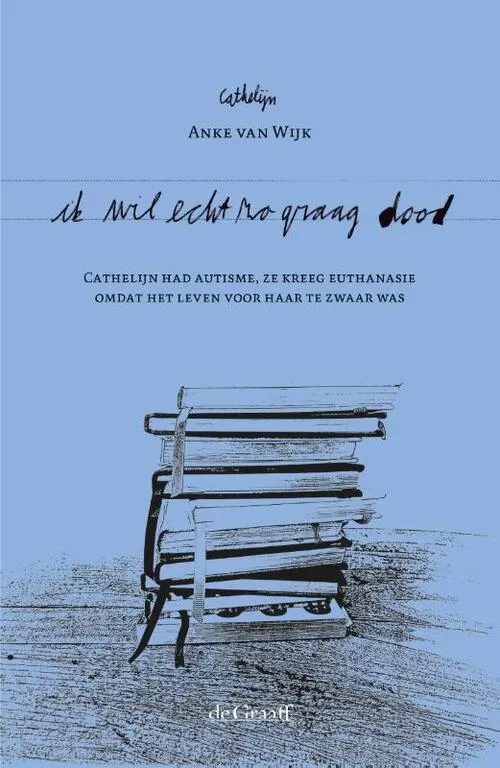
Just days ago, 45-year-old autistic woman Cathelijn was euthanized because she suffered too much. For years she was treated for a personality disorder she did not have. This must have contributed to her immense suffering, something I know all too well.
Recently a book written by Cathelijn's autism coach was published. The title: "Ik wil echt zo graag dood." Translates as: I really want to die so desperately.
Were these exceptions, or do the Dutch structurally euthanize people with autism? As someone from the Netherlands with a late diagnosis of autism and ADHD (online known as AuDHD), I wished this was one horrible exception. But research from 2023 published by BJPsych (Cambridge University) showed that my fellow Dutch people are being structurally euthanized because they are different.
Between 2012 and 2021, nearly 60,000 people were killed at their own request, according to the Dutch government's euthanasia review committee. As a severely Dutch person, I can say that there is not a lot of media coverage about this.
The Question We're Not Asking
To show how the rules are being applied and interpreted, the committee has released documents related to more than 900 of those people, most of whom were older and had conditions including cancer, Parkinson’s and ALS.
In 39 of those 900 people, autism played a key role for their killing at their own request. This means that If this subset is even approximately representative, it suggests that thousands of autistic people may have been euthanized in this period. The majority of these people were younger than 50. Since then the Dutch euthanized people at an even higher rate according to The Guardian.
( Source: Euthanasia and physician-assisted suicide in people with intellectual disabilities and/or autism spectrum disorders: investigation of 39 Dutch case reports (2012–2021) | BJPsych Open )
(Source: Death by euthanasia in the Netherlands increased 10% in 2024, figures show | Assisted dying | The Guardian )
Autistic individuals frequently experience significant social ostracization, rejection, and bullying due to differences in social communication, sensory needs, and adherence to routines. Rather than systematically addressing these harms through protection, accommodation, and care, the Dutch system increasingly permits death as an answer to suffering rooted in social exclusion. This begs the question whether eugenics is popular again in my country.
From Eugenics to New Eugenics in the Netherlands
A hundred years ago eugenics used to be seen as a good idea. People genuinely believed society would be better off if some people simply didn’t exist. They called it science and talked about improvement. Across the border in Nazi Germany, that thinking turned into policy, forced sterilization, violence, and genocide. We like to tell ourselves that it was a different time. That we know better now.
Now, in the Netherlands, we insist we do things differently. No one is forced. Everything is voluntary. It’s all about choice. But when assisted dying is offered to autistic people, many scholars describe it as “new eugenics.” Maybe the state doesn’t order people to die, but because both state and society decides which lives are worth the effort of supporting.
Here is my problem. Choice doesn’t mean anything at all when support is almost impossible to get. And I am not talking about mental healthcare, but ostracization by society and politics. Disability scholars like Tim Stainton have been saying this for years. When living requires constant fighting, for care, for understanding, for even basic dignity, choosing death is not a free decision at all! It’s the logical result when a system and a society wear you down. I tried to end my life multiple times and filed for euthanisia too. After I failed hanging myself, it was just me and my dog, alone.
New eugenics doesn’t look as dramatic as old eugenics, it is just bureaucracy. One death is tragic, but the death of thousands is a statistic. Autistic people are reduced to lists of deficits, diagnosed with a statistical manual. Our own voices do not matter. We are discussed, evaluated but seldomly listened to. If someone chooses death, then no one here has to ask why living was made so difficult in the first place.
Dutch researcher working in the UK, Irene Tuffrey-Wijne remarked that there is no doubt in her mind that these people were suffering, but asked the question: “Is society really OK with sending this message, that there’s no other way to help them and it’s just better to be dead.”
Based on my own experience, Dutch society seems perfectly okay with this.
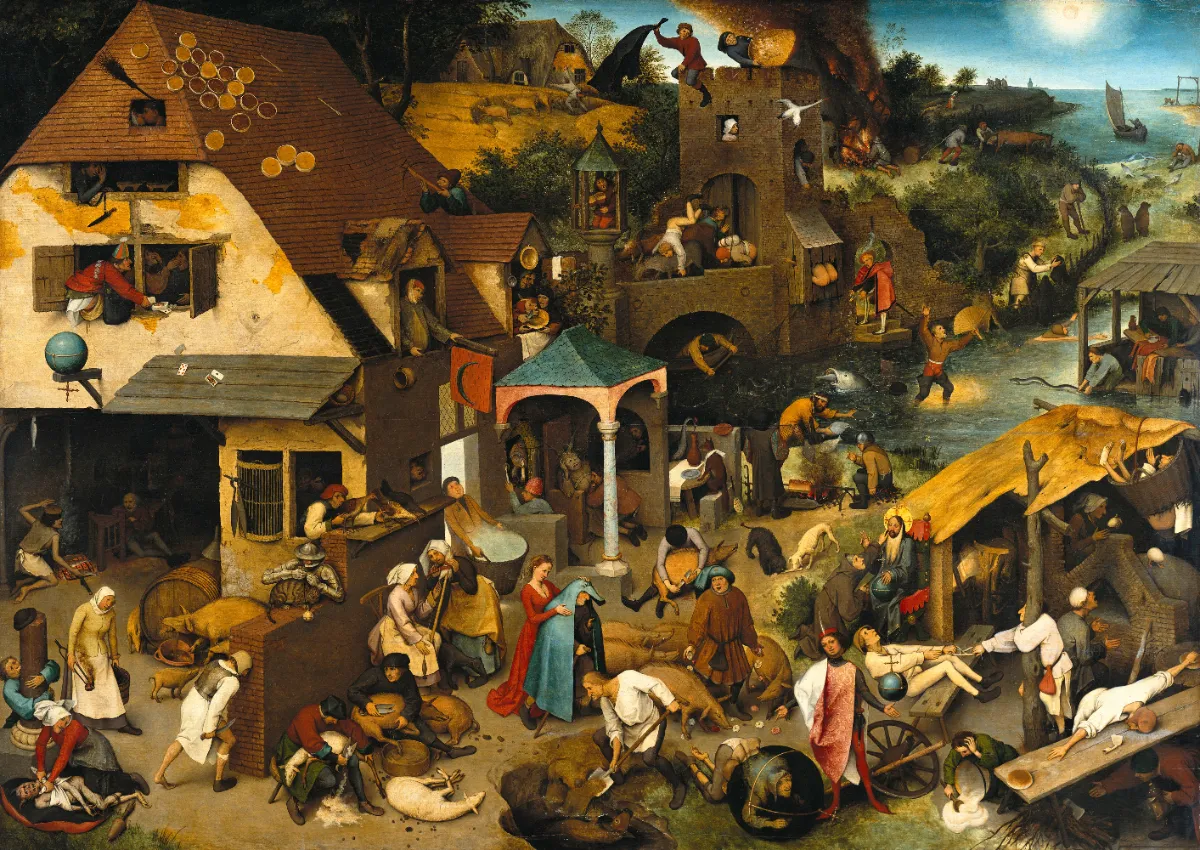
The Myth of Dutch Tolerance
The Netherlands loves to see itself as liberal and tolerant, yet neurodiversity is almost invisible in political debate. If you don’t fit, you’re expected to adjust. To cope. To stop being a problem. I live in a society that struggles to imagine autistic people as fully included.
Autistic people are everywhere in human rights work. Studies prove over and over that we are the ones at the forefront of protests. And yet, our right to exist feels conditional. From across the North Sea, Sir Simon Baron-Cohen, director of Cambridge University’s Autism Research Centre, said it was “abhorrent” that people with autism were being euthanized without being offered further support.
The Netherlands is being accused from all over the world. Articles about Dutch (and Belgian) eugenics are published in scientific publications and the biggest newspapers around the world. There is very little attention in my own country.
(Sources: Reuters , The Guardian , EL PAÍS English, NY Times , BBC )
The Netherlands likes to sell itself as tolerant and open. But just have a look at how far‑right politics have grown. Parties like the Partij voor de Vrijheid (PVV) and Forum voor Democratie (FvD) made nationalist racist rhetoric normal in everyday politics. PVV pushes hardline anti‑immigration rhetoric and deliberately stokes fear. But the FvD is even worse, they flirt openly with fascism and fascists like Breivik and Severin Köhler. They are attacking schools, “woke ideas,” and anything that doesn’t fit their very narrow idea of Dutch identity.
( Source: Our gloomy future and glorious past: societal discontent, national nostalgia and support for populist radical-right parties in the Netherlands )
But it is not just the far right, it is Dutch society as a whole. I’ve experienced this myself and I am experiencing it as we speak. Social ostracization is a problem in The Netherlands and was severely criticised for it by the United Nations. As author Erik Raschke, who has an autistic son puts it on Psychology Today:
"Over the last few years, the Dutch have come to realize that their famous "Dutch tolerance" is more about looking away than accepting, of separating rather than diversifying, of exclusion rather than inclusion. Worse, I believe, the massive Dutch safety net institutionalizes ableism by promoting welfare over civil rights. And while the Dutch government usually takes U.N. reports seriously, this one was mostly overlooked and gradually buried."
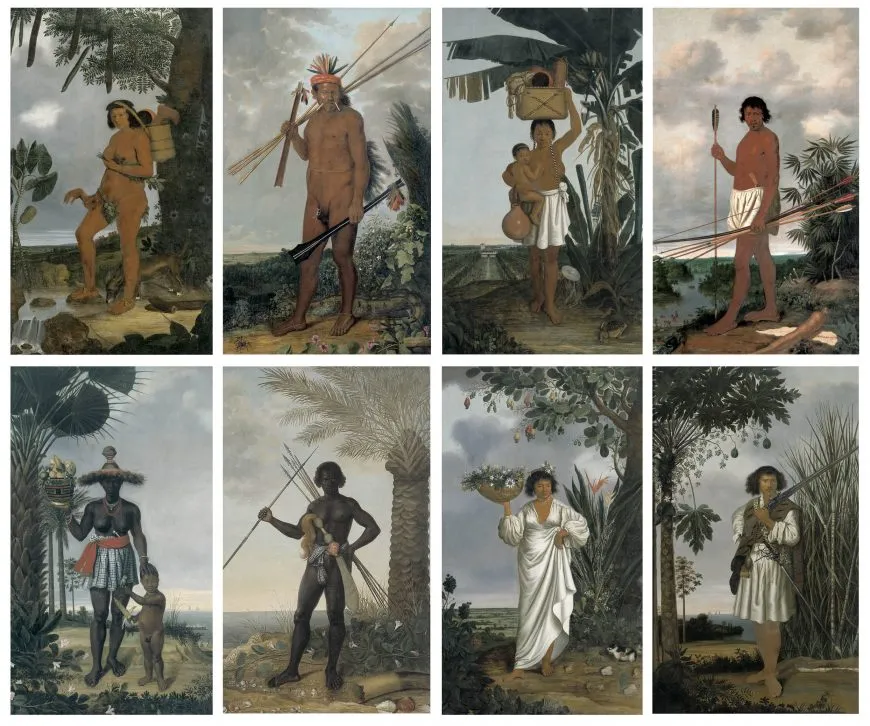
80 Percent of autistic adults in the Netherlands experience suicidal thoughts
A Dutch study of autistic adults from the Netherlands Autism Register found that an overwhelming 80% of participants had experienced suicidal thoughts or behaviors at some point in their lives, and 15% had actually attempted suicide. These numbers are many times higher than estimates for the general population in the Netherlands. Half of the subgroup who completed additional surveys reported suicidal thoughts in just the past month, showing that this is not just a distant memory for many but a present, ongoing struggle. And for me it is.
(Source: Occurrence and predictors of lifetime suicidality and suicidal ideation in autistic adults - PubMed )
Even more disturbing, the research identified real, measurable factors tied to this elevated risk: psychiatric comorbidity, feelings of loneliness, and a higher number of autistic traits all predicted lifetime suicidality. The authors make it clear that these aren’t abstract numbers; they point to deep, systemic failings of Dutch society, mental healthcare, and government.
Political Invisibility and my Question for Ines Kostić
Recently there were elections in the Netherlands. We could vote for 27 different parties, of which around 15 had chances to become part of our House of Representatives, with 150 seats in total. None of these parties say much about neurodiversity. There are some politicians, notably Lisa Westerveld, who advocate for it. But that is about it.
I vote for the Party for the Animals, based on the following reasoning. If I can’t vote for a party that does not represent me, at least I can vote for a party that represents my dog Mahru.
Here is my question to The Party for the Animals, and in particular Ines Kostić, who often reminds us that a society is judged by how it treats its most vulnerable. That principle has guided your work on animal welfare, climate justice, and gender equality. But neurodiversity remains conspicuously absent from this vision. The Party for the Animals was absent in every discussion about neurodiversity in the House of Representatives.
Ines Kostić, as a representative of a party that claims to stand for diversity in all its forms and is against discrimination in all forms, I want to know where autistic people fit into that picture. When autistic citizens are euthanized after years of social exclusion, inadequate support, and loneliness, do you consider this a failure of care?
What concrete steps will you take to ensure that autistic people are offered a future instead of an exit? That inclusion, accommodation, and protection come before assisted death?
Because a society that makes life unbearable and then calls death a choice is not progressive. It is negligent. And it urgently needs to be challenged.
The Painter We Killed
I want to end with a story about a Dutch painter. Because I love art and because we studied Art History together.
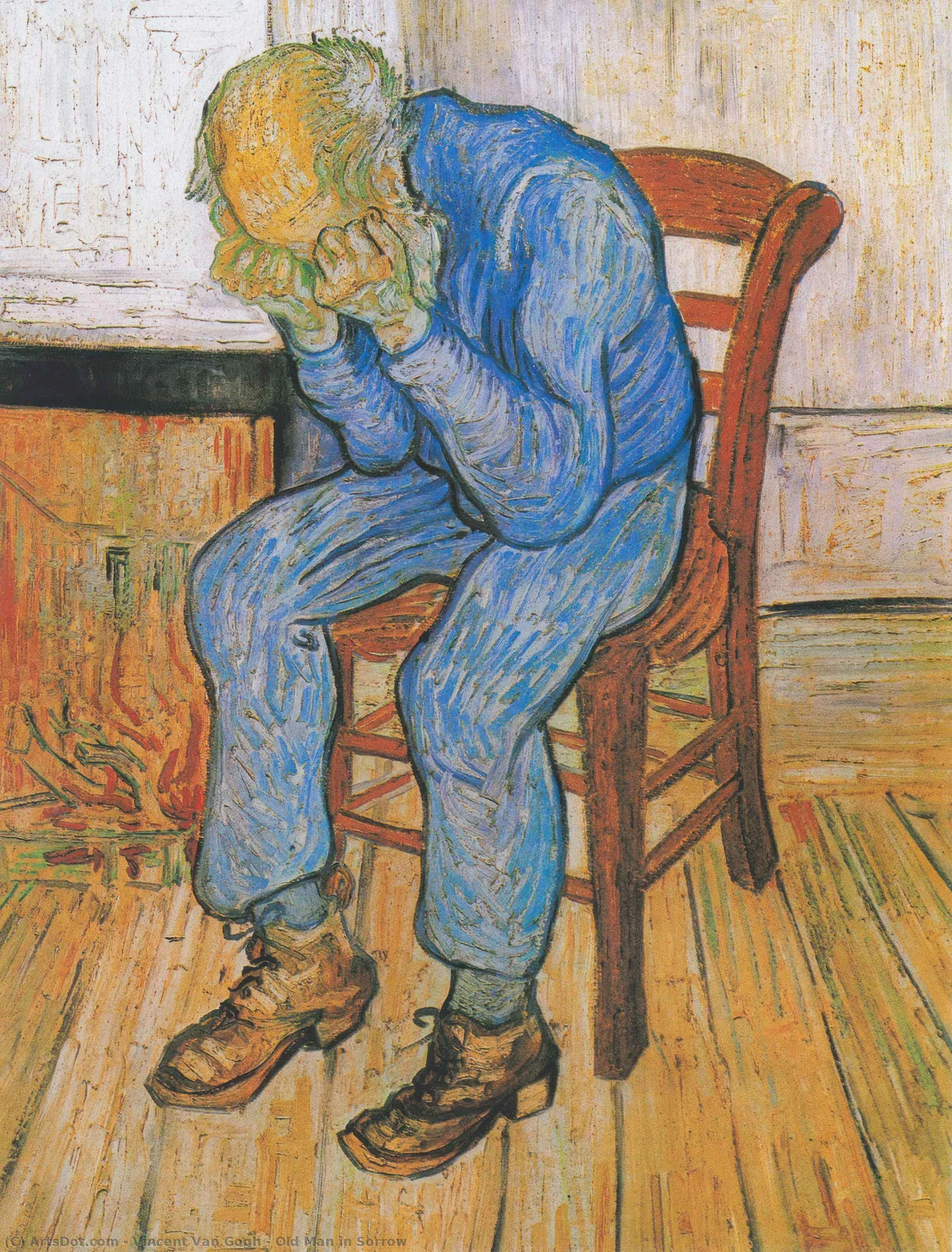
Like me, this painter experienced the world as too loud, and too intense. Colors and sounds screamed at him. Often he felt exhausted and was ostracized because he could not conform to society and the rules of painting. In the middle of a breakdown, he cut off part of his own ear. Not long after, he killed himself.
Today, we call him a genius. While he was mistreated in his lifetime.
Each year millions travel to the Netherlands to admire work born from the very traits that he was ostracized for. We celebrate his sensitivity, his obsession, his different way of seeing. We print it on everything. We build museums for his work alone.
But if he were alive now, poor, autistic, isolated, misdiagnosed, I don’t believe we would help him any better. We would offer assessments, procedures, and eventually euthanasia.
That is Dutch hypocrisy. We love autistic traits once the person is safely dead.
I am not van Gogh. I can barely handle a toothbrush, let alone a paintbrush. But I experience the same traits and the same treatment by society. I am still here, fighting to stay. Not because the Netherlands makes it easy, but because I refuse to be another statistic in a study ten years from now.
I need you to fight too. I need a society that offers a future, not euthanasia. Because right now, I do not feel represented by your politics. And I deserve to exist.
Suicide among people with autism
Suicidality occurs ten times more often among people with autism than in the general population.
Research by Jaël van Bentum (Utrecht University) shows that 80 percent of the 1,164 respondents from the Dutch Autism Register (NAR) experience(d) suicidal thoughts. In the general Dutch population, this figure is around 8 percent.
Of this 80 percent, 38.7 percent made a plan, and 15 percent actually made a suicide attempt.
Research also shows that 44 percent of young people who died by suicide had autism.
People with autism are extra vulnerable to suicidal thoughts due to factors such as black-and-white thinking, feeling misunderstood, sensory sensitivity, and often receiving a late or incorrect diagnosis.
The more autistic traits a person has, the greater the risk of suicidal thoughts. A late diagnosis and loneliness are also important predictors.
Newsletter
Get essays in your inbox
New essays, no noise. Free, always.